


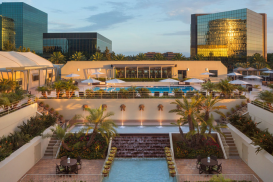
Every city has a story. Ours happens to be a great one.
Costa Mesa’s journey from rural beginnings to a creative hub is full of charm, change, and a little surprise. Here’s how it all came to be.
Costa Mesa’s journey from rural beginnings to a creative hub is full of charm, change, and a little surprise. Here’s how it all came to be.
Before there were boulevards.
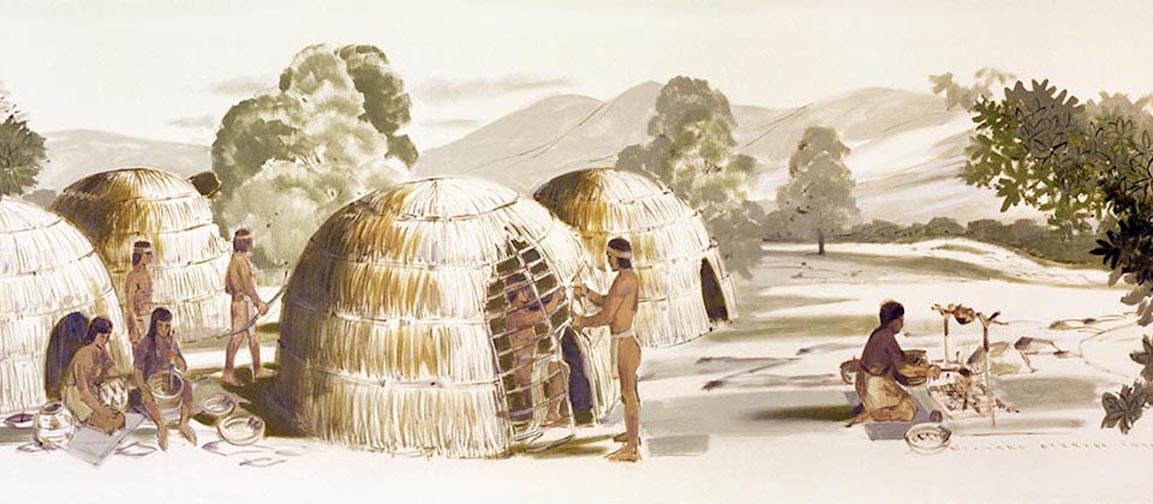
The land that would become Costa Mesa was originally inhabited by two groups of indigenous people: the Tongva (Gabrielino-Tongva Tribe aka the San Gabriel Band of Mission Indians) and Acjachemen (Juaneño Band of Mission Indians, Acjachemen Nation). Their permanent settlements and villages were located across Orange County, also covering land as far as San Diego, Riverside, and Los Angeles counties. In Acjachemen traditional belief, their relationship and inhabitance of the land dates back to the beginning of time itself. Archeological work has recovered items over 9,000 years old.
Early chapters of a place shaped by many.
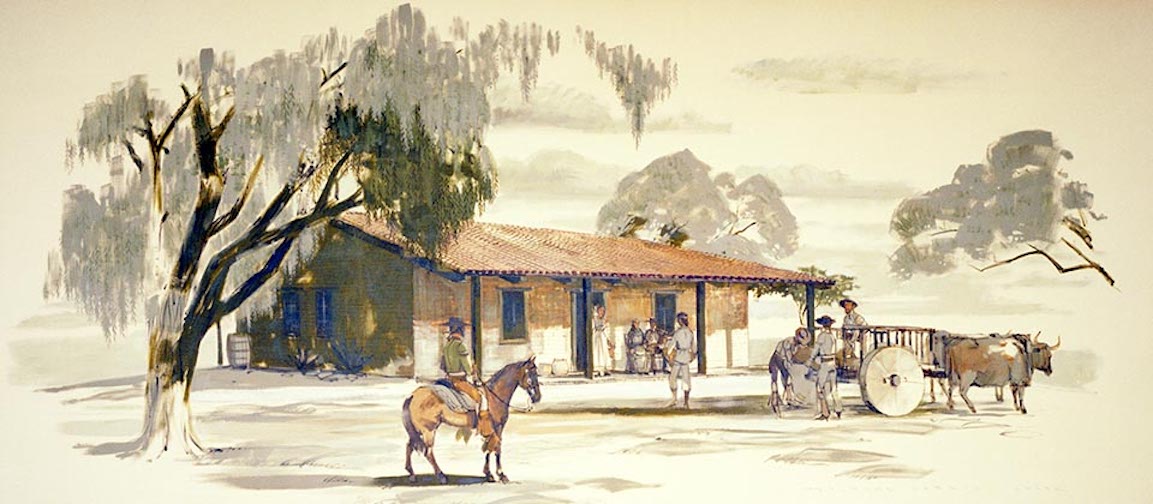
Spanish colonists arrived to the land in the late 1700s. From its location as a “coastal tableland” above Newport Bay, Costa Mesa became entrenched in the mission economy, and cattle owned by Mission San Juan Capistrano grazed the land. In the early 1800s, using indigenous labor, missionaries led the construction of an adobe “Estancia”—a way-station for the vaqueros who tended the herds. That structure, now known as the Diego Sepulveda Adobe, still stands today as a restored museum at 1900 Adams Avenue.
By 1810, the land had become part of a Spanish land grant given to Jose Antonio Yorba, and in 1812, the mission was at the peak of its growth. Indigenous populations suffered from European disease and villages dwindled, until less than a thousand Native Americans remained In the 1880s, colonists established the town of Fairview on land once known as Genga. A church, schoolhouse, and even a 25-room hotel were built to serve locals and visitors drawn to the area’s hot sulfur springs. But in 1889, a major storm washed out the local railroad, disrupting the town’s progress and returning the area to its rural, agricultural roots.
A future gem gets its name.
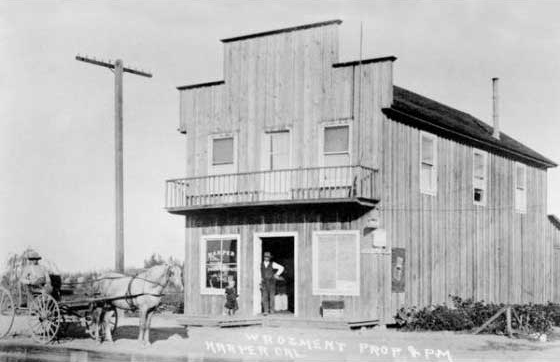
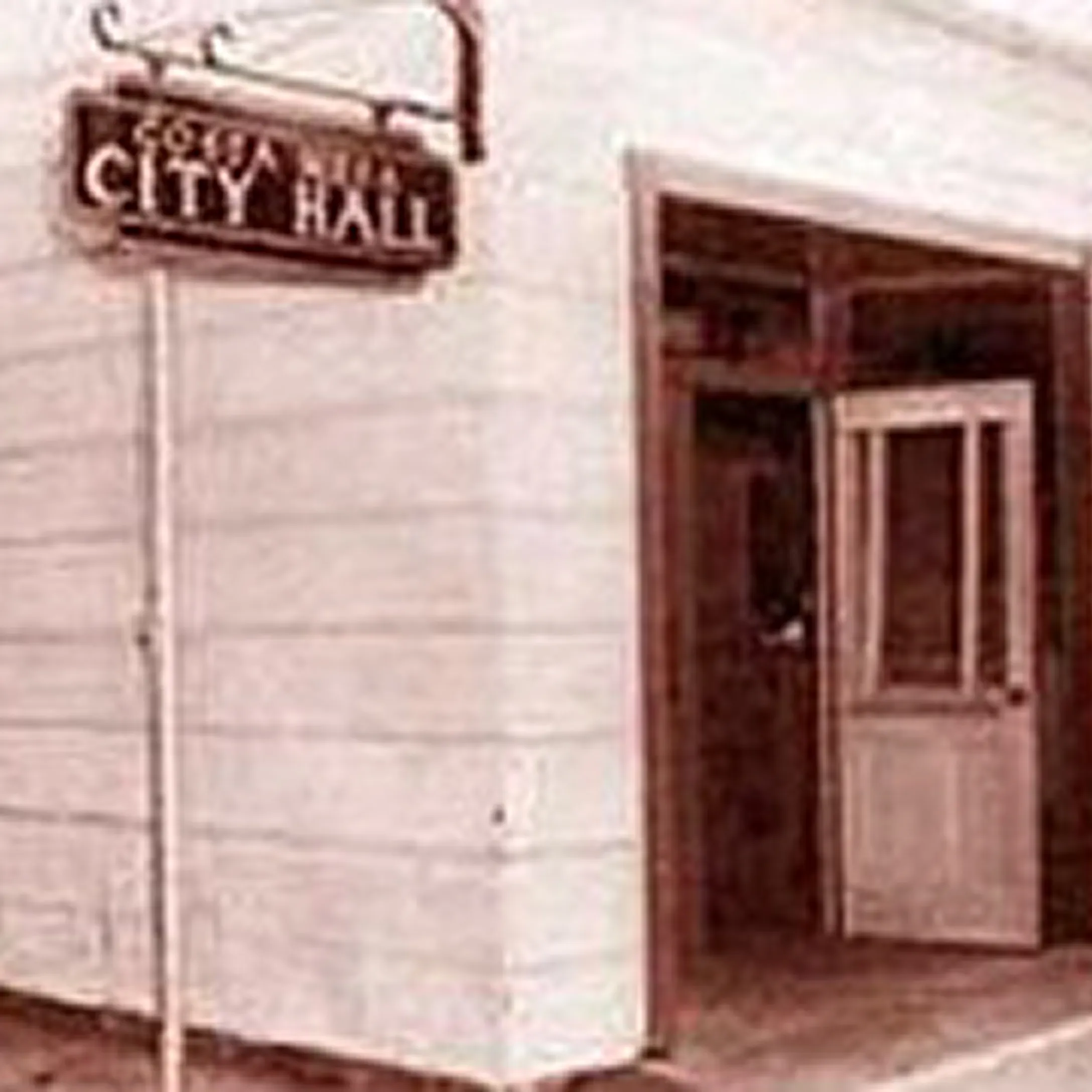
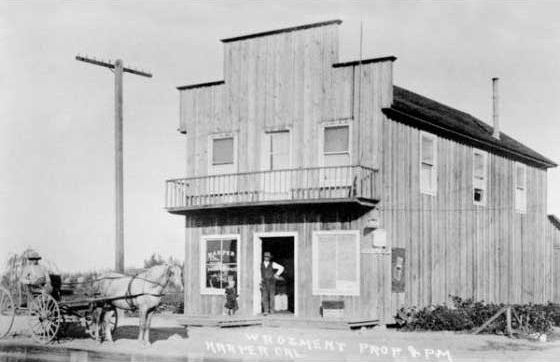
In the early 1900s, a small railroad stop called Harper was starting to take shape. With the opening of Ozmen’s General Store and the city’s first post office in 1909, the foundations of a community were laid. In 1920, the town officially became Costa Mesa, Spanish for “coastal tableland,” and continued to grow as a thriving agricultural hub, known for its sweet potatoes, corn, tomatoes, strawberries, and apples.
Quakes, crashes, and a comeback.
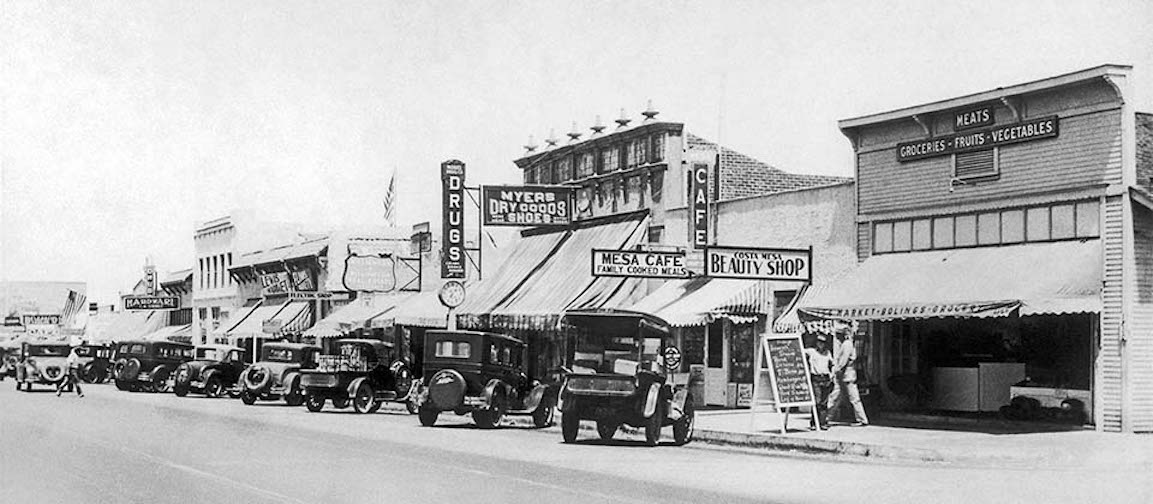
In the 1930s, Costa Mesa was hit hard. First by the Great Depression, then by a 1933 earthquake that damaged much of Newport Blvd and the Main School. The local bank closed, industries collapsed, and growth stalled. But the city didn’t stay down for long. New buildings went up, including the Clara McNally School, which still stands today as a reminder of Costa Mesa’s resilience and ability to rebuild, stronger than before.
The city takes flight.
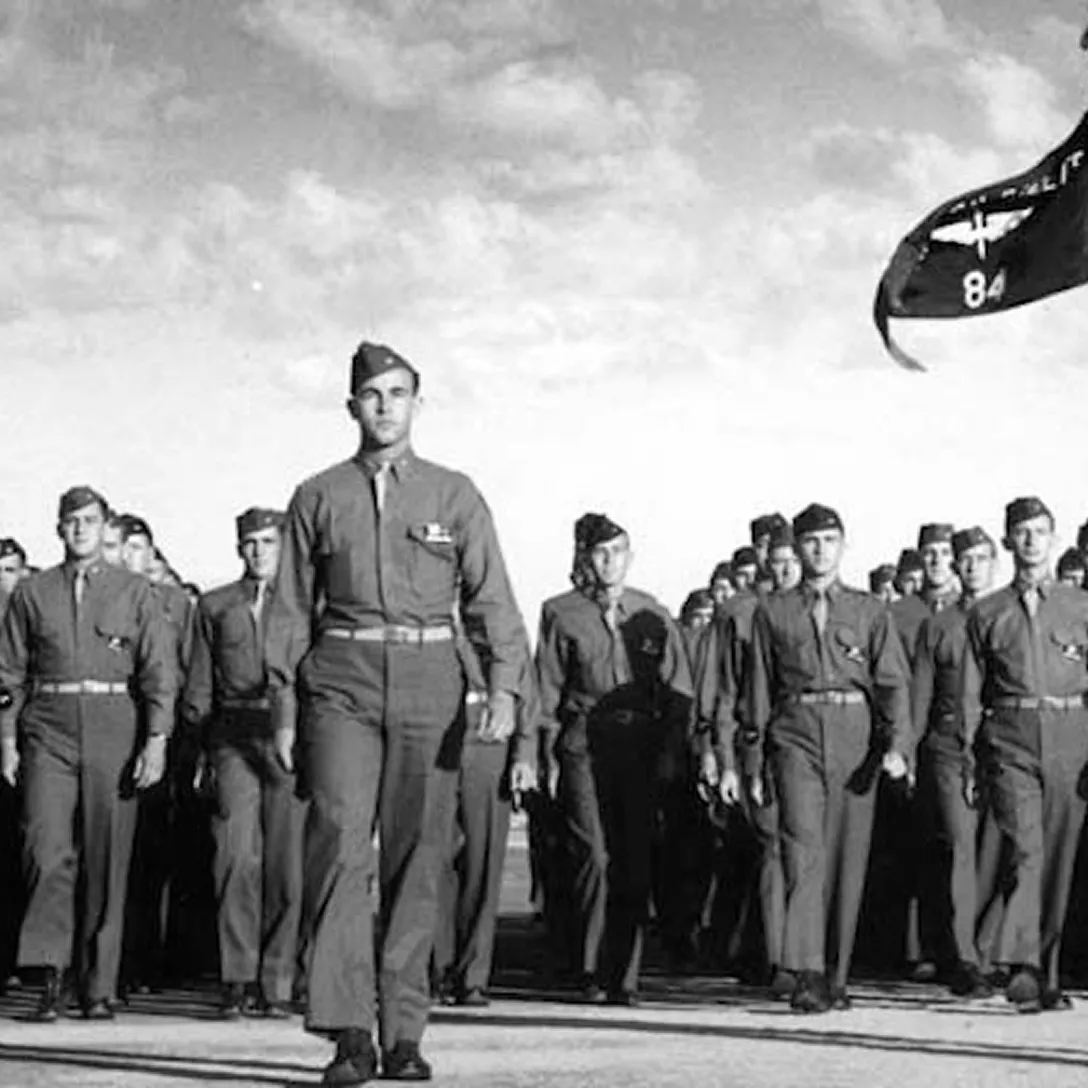
During World War II, Costa Mesa’s quiet farmland saw big changes. The nearby Santa Ana Army Air Base brought a wave of new residents, development, and infrastructure to the area. What started as a military hub helped spark the transformation of Costa Mesa into a growing suburban community. One that would carry this momentum into the postwar years and beyond.
Costa Mesa steps up.
By the late 20th century, Costa Mesa had fully transformed from agricultural community to a vibrant suburban city. Cultural landmarks like South Coast Plaza and Segerstrom Center for the Arts helped put it on the map, while booming neighborhoods and business growth shaped its unique identity: equal parts creative, ambitious, and unmistakably SoCal.
For more information
Visit the Costa Mesa Historical Society
You might also love…
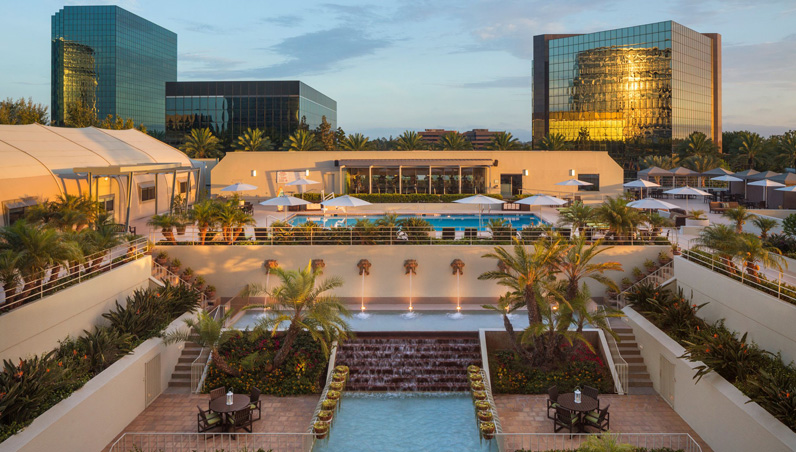
A stay for every style
Explore Hotels
Sip, Savor, and Celebrate the Best of Fall in Costa Mesa
Read More
Free Things to do in Costa Mesa
Read More
How to Celebrate Hispanic Heritage Month in Costa Mesa
Read More
Let’s keep
this trip going.
You’re subscribed!
Thanks for signing up. Stay tuned!
